Both the title and poster of 1937's Best Picture winner is false. First, the poster makes Emile Zola look like some hard-boiled gangster or handsome private dick. That is not the case. Emile Zola is, in fact, a 19th century French author who looks like this:

Secondly, this film is not a straight up biography as the title suggests. It is, in fact, 35% biography and 65% courtroom drama. The first quarter of the film explores Emile Zola's (Paul Muni) early days as a starving writer and his friendship with Post-Impressionist artist Paul Cézanne (Vladimir Sokoloff). Zola eventually publishes Nana, a novel about a Parisian prostitute, and becomes wealthy and respected.
Then the film shifts its focus to Alfred Dreyfus (Joseph Schildkraut), a Jewish captain in the French army. Dreyfus is accused of treason and sentenced to prison on Devil's Island in French Guiana. Despite new evidence surfacing which would clear Dreyfus of all charges, the commanding officers decide to keep it on the down low as to not embarrass themselves and rob the French people of their faith in the army. Dreyfus's wife (Gale Sondergaard) goes to Zola for help since he has spent his life writing of injustice. Zola agrees and writes letter accusing the army of the injustice and cover up. He is accused of libel and brought to court which inevitably opens up the Dreyfus case.

The Life of Emile Zola is enjoyable in a "I-have-to-watch-this-for-Ethics-class" sort of way...well, enjoyable for the weird cinema club kids. There is nothing in this film for Johnny High School. It's so dry. Dry like Bea Arthur's cunny. Don't misunderstand me, I liked it far better this time around, but I cannot imagine why this movie was well liked enough to win Best freakin' Picture.
Frankly the best part of the movie is Joseph Schildkraut as the victimized Alfred Dreyfus. He carried the film for me. I don't think this was the director's intention or else the movie would be called "The Dreyfus Affair" or something. That's unfortunate because I would have much preferred a whole film starring Schildkraut. Paul Muni is particularly hammy as Zola, especially in his later years which, remember, is 65% of the film. Gale Sondergaard was a bit too sensual in her role as weeping wife. (Besides she will always be Tylette from the Shirley Temple movie The Blue Bird for me.) Schildkraut on the other hand is dignified and understated. You feel his pain from his military insignia being stripped from his uniform to his endless, endless days on Devil's Island. Schildkraut definitely deserved his Oscar for Best Supporting Actor, although his makeup did not.

The Life of Emile Zola is a "prestige picture". It is made with intent of making you think...but about what?, I ask. The film is not morally ambiguous. The good guys are good and the bad guys are bad. We know from the very beginning--or at least anyone who's not an idiot knows--that Dreyfus is innocent. He is a victim of anti-Semitism, pure and simple. The army guys barely resist the urge to twirl their waxy mustaches.
Earlier in the film, Zola's book The Downfall exposes the ineptitude of the army during the Franco-Prussian War. (GOD, THIS MOVE IS SO DRY!!!). Dreyfus's innocence is covered up so the army guys don't lose face in front of their already disillusioned public. Plus he's a Jew.
This is a movie about anti-Semitism that doesn't have the balls to be about anti-Semitism. It tap dances around the subject. I don't even think the word "anti-Semitism" is ever uttered. One of the jerkass army guys simply points the finger at Dreyfus because his file denotes him as Jewish. (In fact, "Jewish" is also never uttered). THE WHOLE REASON THIS GUY IS IMPRISONED IS NEVER ADDRESSED. WHAT THE FUCK, MOVIE?
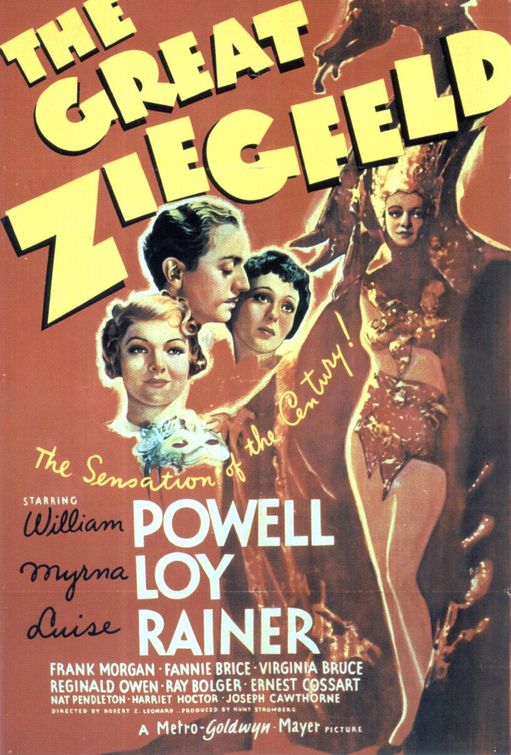
Oh, but wait, this is about the Life of Emile Zola, not Alfred Dreyfus. Okay. That explains everything. But like I said in my review of The Great Ziegfeld, no one cares about the lives of boring people. Zola is boring, at least in the context of this film. The starving writer stuff was interesting but comes to a head pretty quickly. Then we head into Dreyfusland. A far more interesting movie would split the time between Zola and Dreyfus. Or maybe it would have explored the deeper causes of anti-Semitism in Third Republic France. Instead we get a movie where Bad Things Happen but for no discernible reason.
Impressions circa 2004
Negative. SOOOOOOOOO BOOOOOOOOOORRRRRRRRRRIIIIIIIIIIIIINNNNNNNNNNGGGGGGGGG.
Other Nominations and Wins
(bold represents win)
1937 Best Picture Nominees
(bold represents films I have seen...followed by my opinion in 10 words or less.)
What I Learned From...The Life of Emile Zola
The truth is worth fighting for.

Secondly, this film is not a straight up biography as the title suggests. It is, in fact, 35% biography and 65% courtroom drama. The first quarter of the film explores Emile Zola's (Paul Muni) early days as a starving writer and his friendship with Post-Impressionist artist Paul Cézanne (Vladimir Sokoloff). Zola eventually publishes Nana, a novel about a Parisian prostitute, and becomes wealthy and respected.
Then the film shifts its focus to Alfred Dreyfus (Joseph Schildkraut), a Jewish captain in the French army. Dreyfus is accused of treason and sentenced to prison on Devil's Island in French Guiana. Despite new evidence surfacing which would clear Dreyfus of all charges, the commanding officers decide to keep it on the down low as to not embarrass themselves and rob the French people of their faith in the army. Dreyfus's wife (Gale Sondergaard) goes to Zola for help since he has spent his life writing of injustice. Zola agrees and writes letter accusing the army of the injustice and cover up. He is accused of libel and brought to court which inevitably opens up the Dreyfus case.

The Life of Emile Zola is enjoyable in a "I-have-to-watch-this-for-Ethics-class" sort of way...well, enjoyable for the weird cinema club kids. There is nothing in this film for Johnny High School. It's so dry. Dry like Bea Arthur's cunny. Don't misunderstand me, I liked it far better this time around, but I cannot imagine why this movie was well liked enough to win Best freakin' Picture.
Frankly the best part of the movie is Joseph Schildkraut as the victimized Alfred Dreyfus. He carried the film for me. I don't think this was the director's intention or else the movie would be called "The Dreyfus Affair" or something. That's unfortunate because I would have much preferred a whole film starring Schildkraut. Paul Muni is particularly hammy as Zola, especially in his later years which, remember, is 65% of the film. Gale Sondergaard was a bit too sensual in her role as weeping wife. (Besides she will always be Tylette from the Shirley Temple movie The Blue Bird for me.) Schildkraut on the other hand is dignified and understated. You feel his pain from his military insignia being stripped from his uniform to his endless, endless days on Devil's Island. Schildkraut definitely deserved his Oscar for Best Supporting Actor, although his makeup did not.

The Life of Emile Zola is a "prestige picture". It is made with intent of making you think...but about what?, I ask. The film is not morally ambiguous. The good guys are good and the bad guys are bad. We know from the very beginning--or at least anyone who's not an idiot knows--that Dreyfus is innocent. He is a victim of anti-Semitism, pure and simple. The army guys barely resist the urge to twirl their waxy mustaches.
Earlier in the film, Zola's book The Downfall exposes the ineptitude of the army during the Franco-Prussian War. (GOD, THIS MOVE IS SO DRY!!!). Dreyfus's innocence is covered up so the army guys don't lose face in front of their already disillusioned public. Plus he's a Jew.
This is a movie about anti-Semitism that doesn't have the balls to be about anti-Semitism. It tap dances around the subject. I don't even think the word "anti-Semitism" is ever uttered. One of the jerkass army guys simply points the finger at Dreyfus because his file denotes him as Jewish. (In fact, "Jewish" is also never uttered). THE WHOLE REASON THIS GUY IS IMPRISONED IS NEVER ADDRESSED. WHAT THE FUCK, MOVIE?
Oh, but wait, this is about the Life of Emile Zola, not Alfred Dreyfus. Okay. That explains everything. But like I said in my review of The Great Ziegfeld, no one cares about the lives of boring people. Zola is boring, at least in the context of this film. The starving writer stuff was interesting but comes to a head pretty quickly. Then we head into Dreyfusland. A far more interesting movie would split the time between Zola and Dreyfus. Or maybe it would have explored the deeper causes of anti-Semitism in Third Republic France. Instead we get a movie where Bad Things Happen but for no discernible reason.
Impressions circa 2004
Negative. SOOOOOOOOO BOOOOOOOOOORRRRRRRRRRIIIIIIIIIIIIINNNNNNNNNNGGGGGGGGG.
Other Nominations and Wins
(bold represents win)
- Best Director - William Dieterle
- Best Assistant Director - Anton Grot
- Best Actor - Paul Muni
- Best Supporting Actor - Joseph Schildkraut
- Best Adapted Screenplay
- Best Writing, Story
- Best Art Direction
- Best Music, Score
- Best Sound, Recording
1937 Best Picture Nominees
(bold represents films I have seen...followed by my opinion in 10 words or less.)
- The Awful Truth
- Captains Courageous
- Dead End
- The Good Earth
- In Old Chicago
- Lost Horizon -- Fanciful but needs to be in color.
- One Hundred Men and Girl
- Stage Door
- A Star is Born
What I Learned From...The Life of Emile Zola
The truth is worth fighting for.